- Debt to GDP, taking office (end-2021)
- 55.5%
- Latest (end-2024)
- 49.8%
- Change so far
- -5.7 points
- Public debt, end-2024
- $1.33 trillion
Every senator and member of the House of Representatives in the 48th Parliament of Australia: state, electorate, party, office details and biography.
Search all 225 sitting senators and members by name, electorate, party or state.
 Alicia Payne
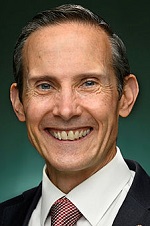 Andrew Leigh
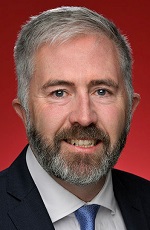 Anthony Chisholm
 Bridget McKenzie
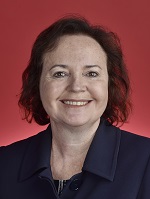 Carol Brown
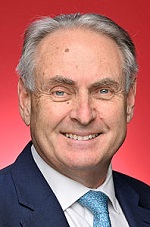 Don Farrell
 James McGrath
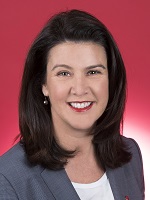 Jane Hume
 Jenny McAllister
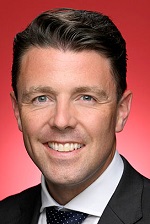 Jonathon Duniam
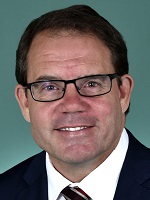 Luke Gosling
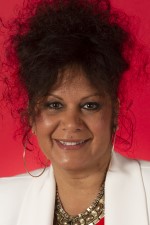 Malarndirri McCarthy
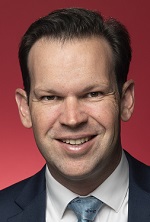 Matthew Canavan
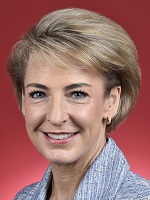 Michaelia Cash
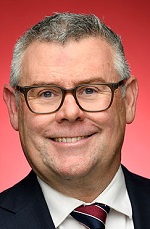 Murray Watt
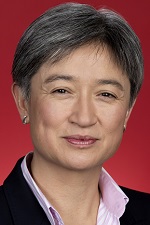 Penny Wong
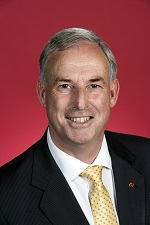 Richard Colbeck
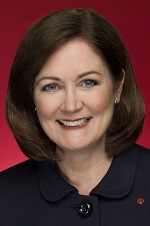 Sarah Henderson
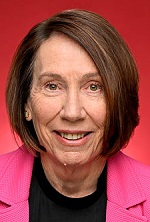 Sue Lines
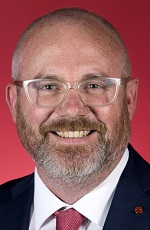 Tim Ayres
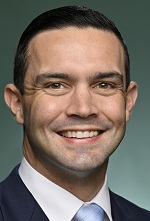 Aaron Violi
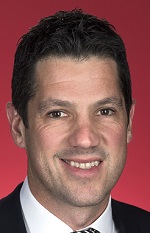 Alex Antic
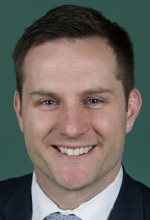 Alex Hawke
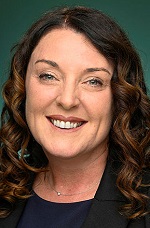 Alison Byrnes
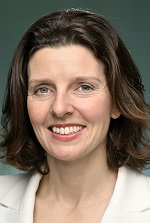 Allegra Spender
 Amanda Rishworth
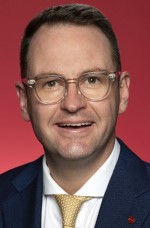 Andrew Bragg
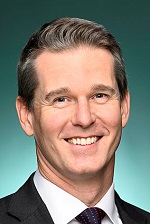 Andrew Charlton
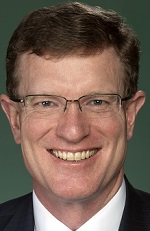 Andrew Gee
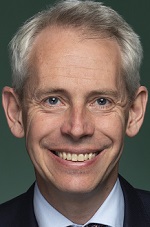 Andrew Giles
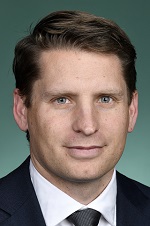 Andrew Hastie
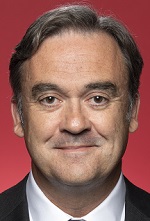 Andrew McLachlan CSC
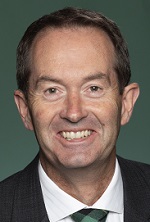 Andrew Wallace
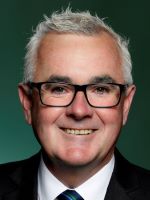 Andrew Wilkie
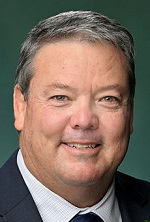 Andrew Willcox
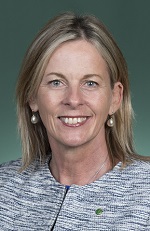 Angie Bell
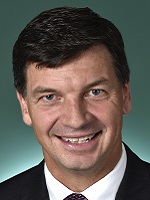 Angus Taylor
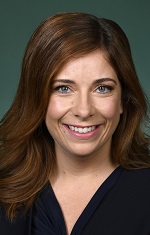 Anika Wells
 Anne Aly
 Anne Ruston
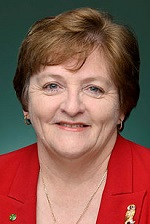 Anne Stanley
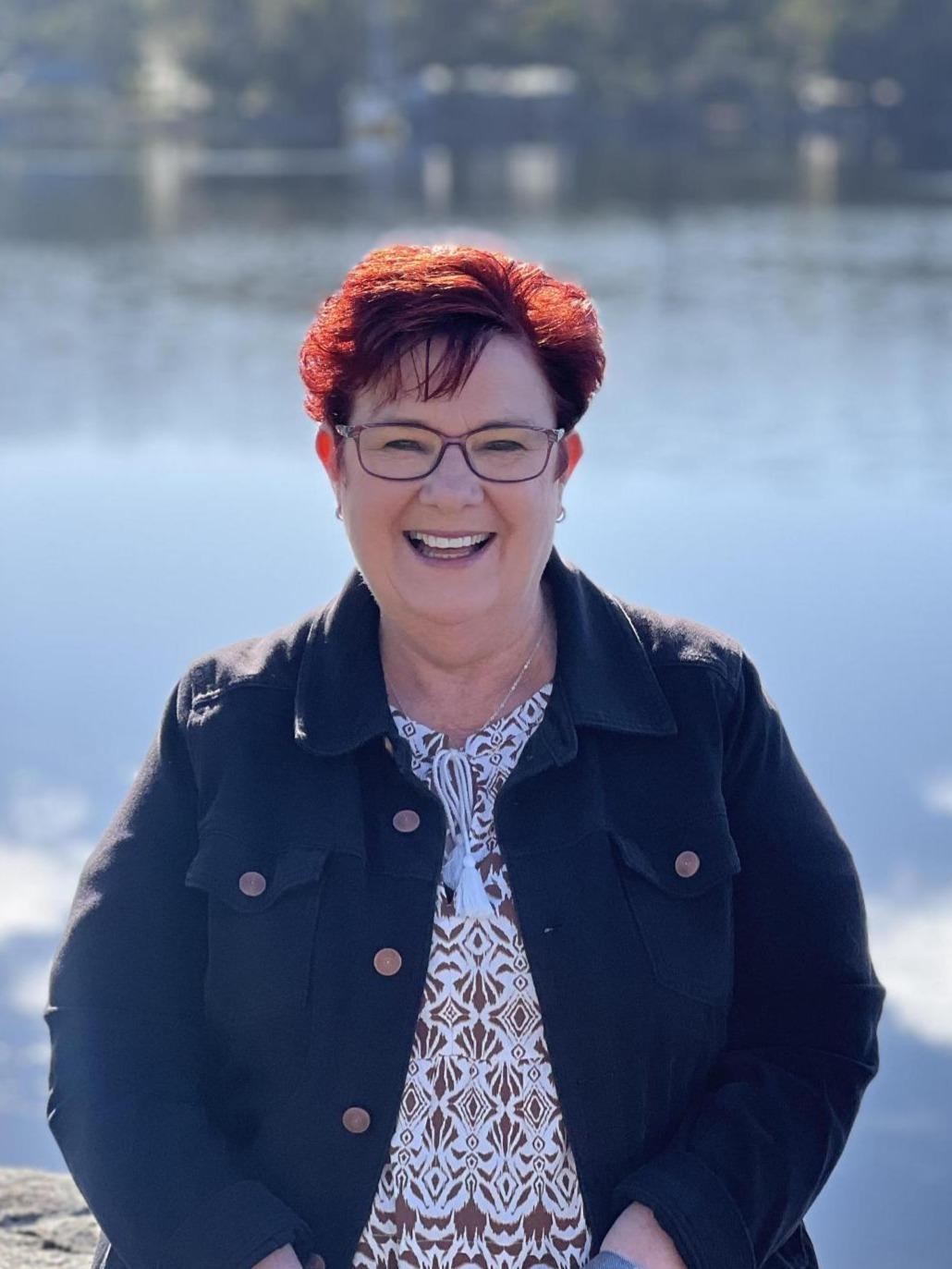 Anne Urquhart
 Anne Webster
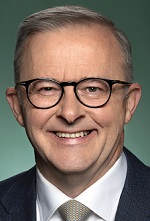 Anthony Albanese
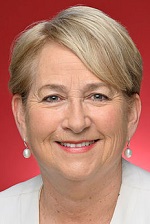 Barbara Pocock
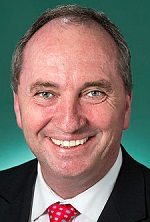 Barnaby Joyce
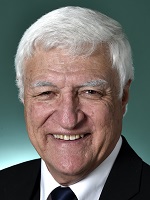 Bob Katter
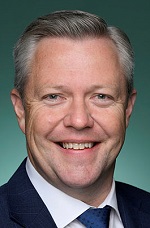 Cameron Caldwell
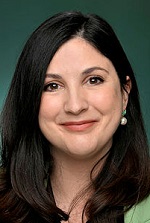 Carina Garland
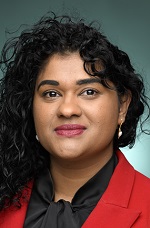 Cassandra Fernando
 Catherine King
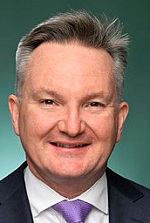 Chris Bowen
 Claire Chandler
 Clare O'Neil
 Colin Boyce
 Dai Le
 Dan Repacholi
 Dan Tehan
 Daniel Mulino
 Darren Chester
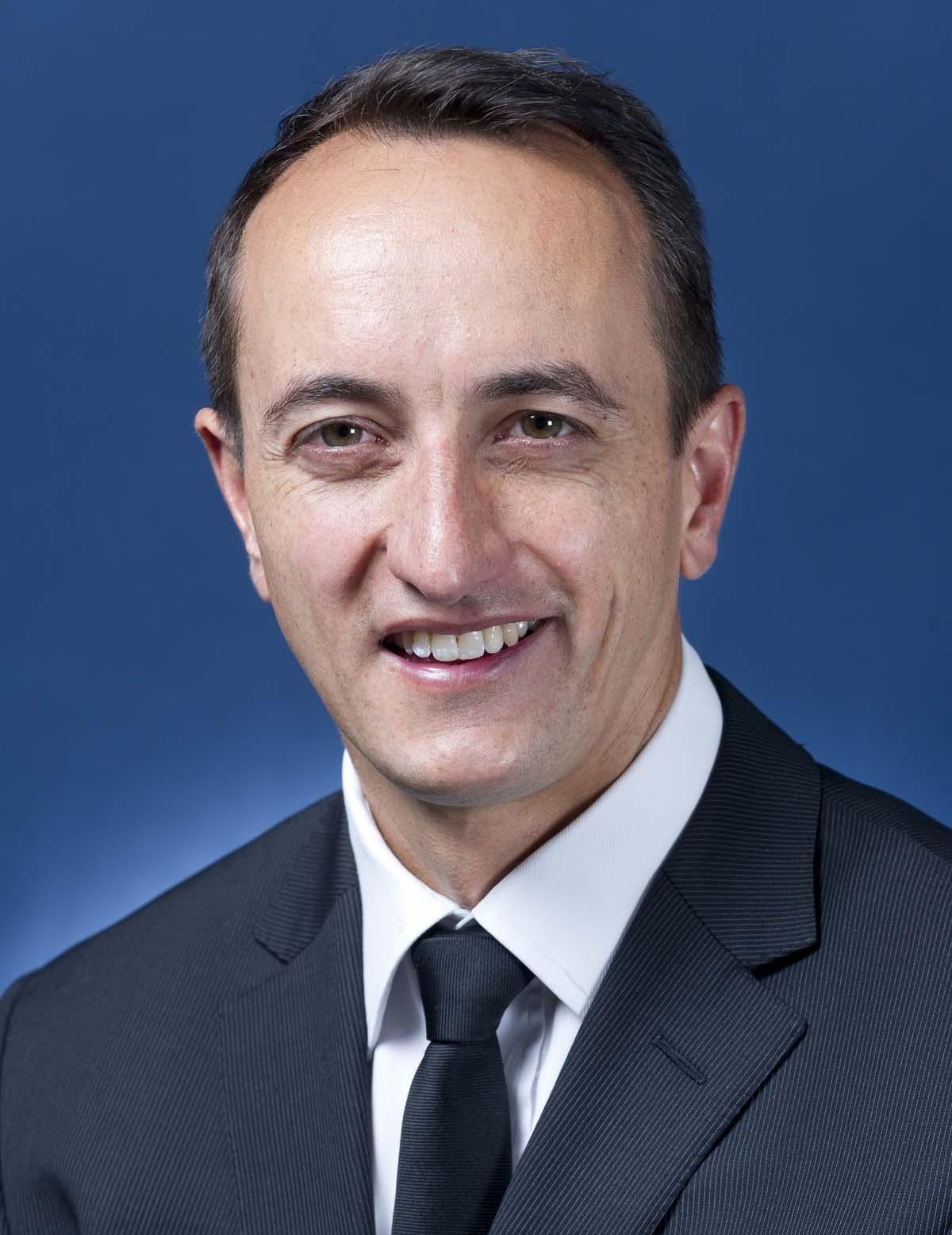 Dave Sharma
 David Littleproud
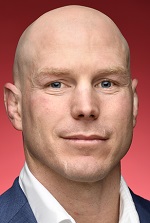 David Pocock
 David Shoebridge
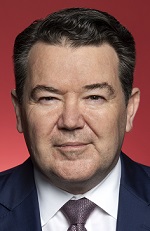 Dean Smith
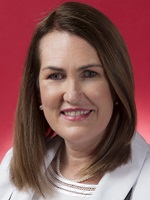 Deborah O'Neill
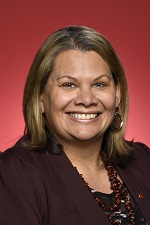 Dorinda Cox
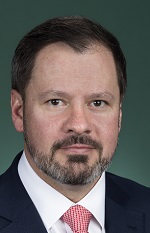 Ed Husic
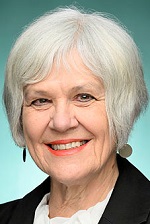 Elizabeth Watson-Brown
 Emma McBride
 Fatima Payman
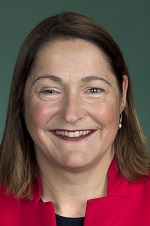 Fiona Phillips
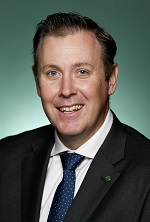 Garth Hamilton
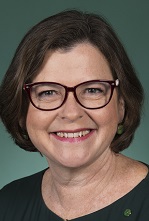 Ged Kearney
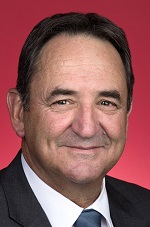 Glenn Sterle
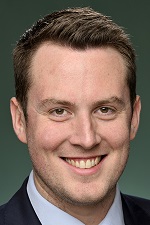 Gordon Reid
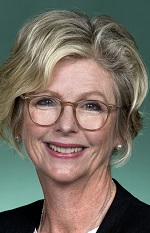 Helen Haines
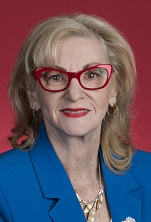 Helen Polley
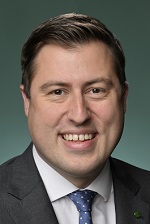 Henry Pike
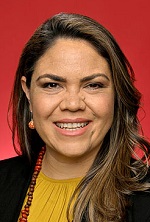 Jacinta Nampijinpa Price
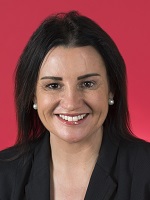 Jacqui Lambie
 James Paterson
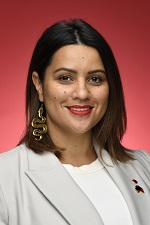 Jana Stewart
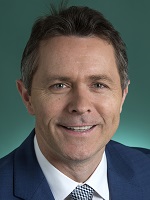 Jason Clare
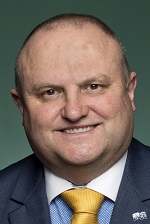 Jason Wood
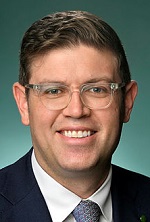 Jerome Laxale
 Jess Walsh
 Jim Chalmers
 Joanne Ryan
 Jodie Belyea
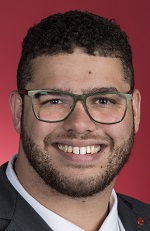 Jordon Steele-John
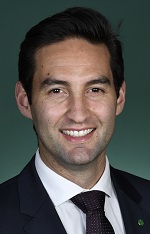 Josh Burns
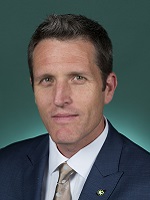 Josh Wilson
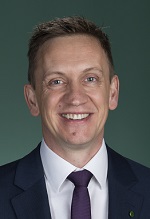 Julian Hill
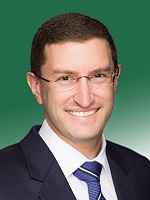 Julian Leeser
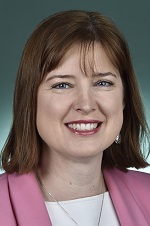 Julie Collins
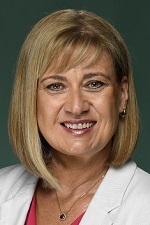 Justine Elliot
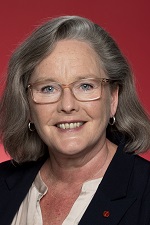 Karen Grogan
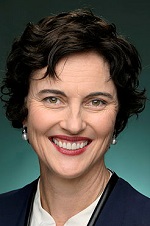 Kate Chaney
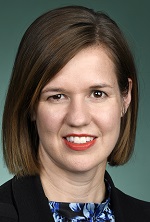 Kate Thwaites
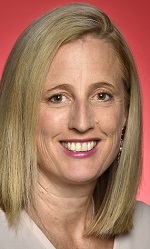 Katy Gallagher
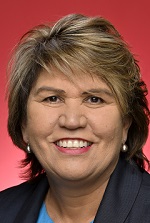 Kerrynne Liddle
 Kevin Hogan
 Kristy McBain
 Larissa Waters
 Leah Blyth
 Libby Coker
 Lidia Thorpe
 Lisa Chesters
 Lisa Darmanin
 Llew O'Brien
 Louise Miller-Frost
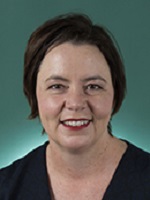 Madeleine King
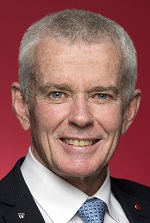 Malcolm Roberts
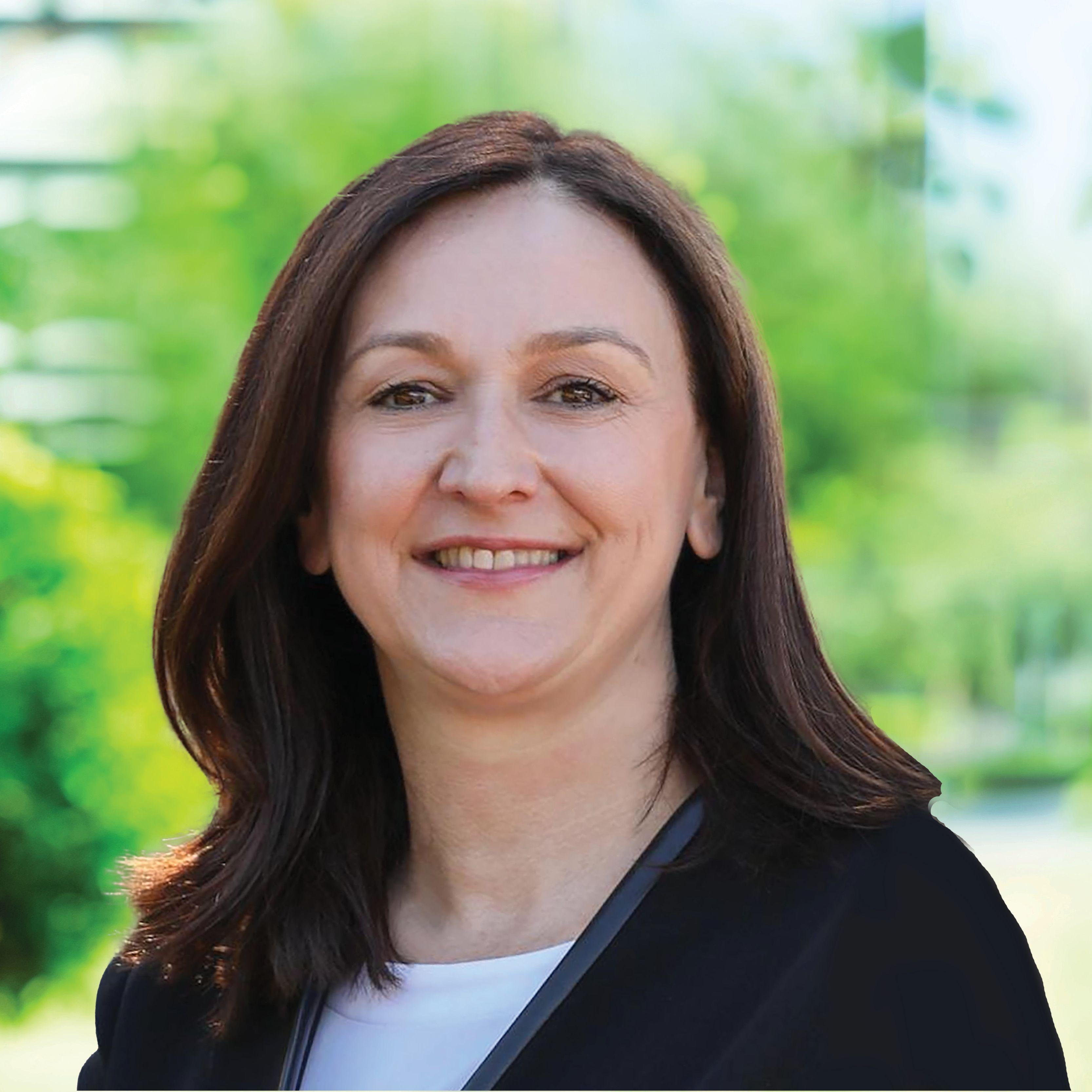 Maria Kovacic
 Marielle Smith
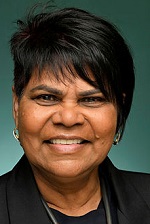 Marion Scrymgour
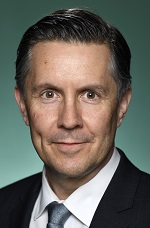 Mark Butler
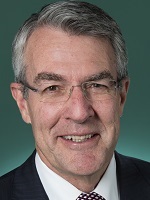 Mark Dreyfus
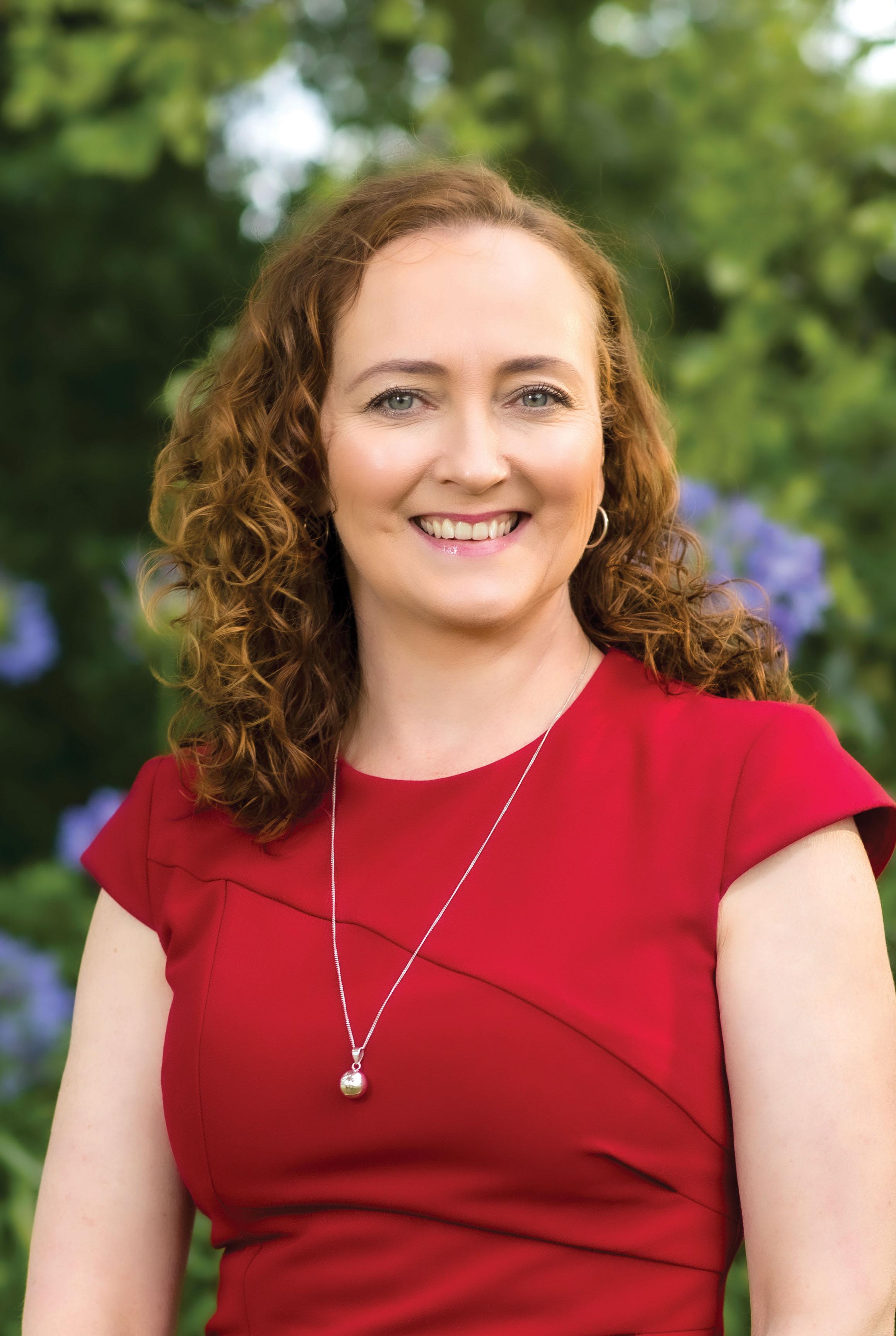 Mary Doyle
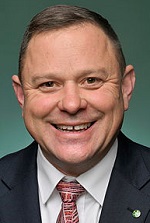 Matt Burnell
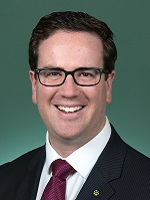 Matt Keogh
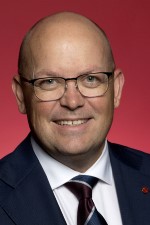 Matt O'Sullivan
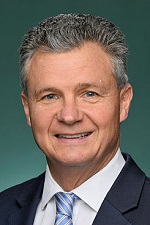 Matt Thistlethwaite
 Matthew Gregg
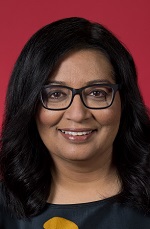 Mehreen Faruqi
 Melissa McIntosh
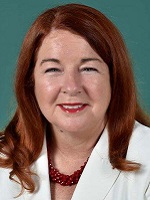 Melissa Price
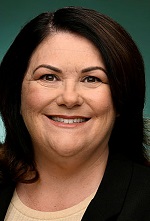 Meryl Swanson
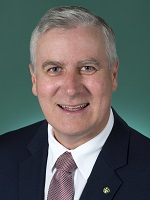 Michael McCormack
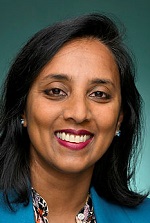 Michelle Ananda-Rajah
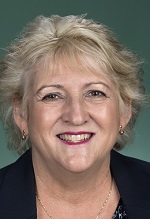 Michelle Landry
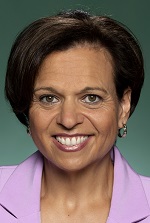 Michelle Rowland
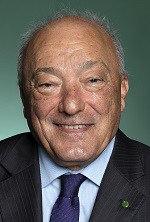 Mike Freelander
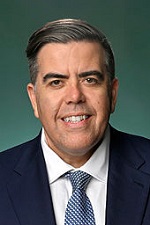 Milton Dick
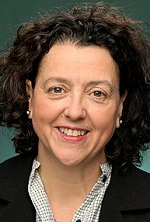 Monique Ryan
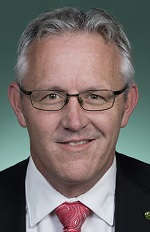 David Smith
 Nick McKim
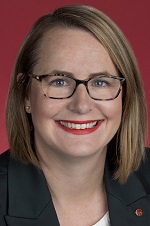 Nita Green
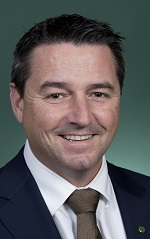 Pat Conaghan
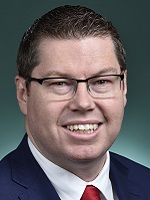 Pat Conroy
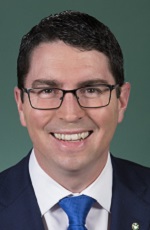 Patrick Gorman
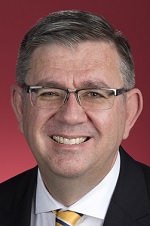 Paul Scarr
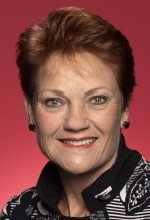 Pauline Hanson
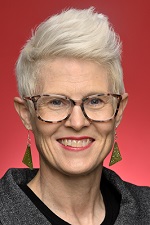 Penny Allman-Payne
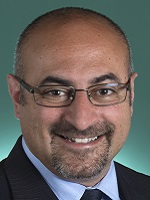 Peter Khalil
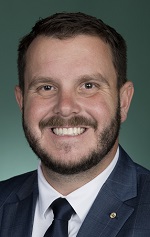 Phillip Thompson
 Raff Ciccone
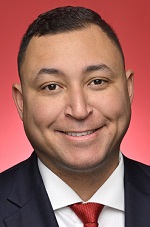 Ralph Babet
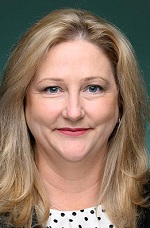 Rebekha Sharkie
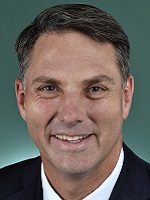 Richard Marles
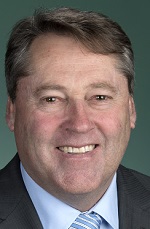 Rick Wilson
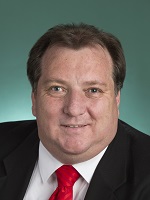 Rob Mitchell
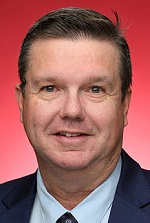 Ross Cadell
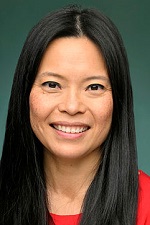 Sally Sitou
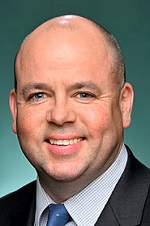 Sam Birrell
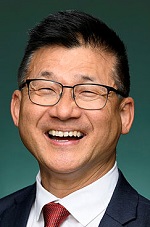 Sam Lim
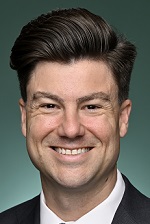 Sam Rae
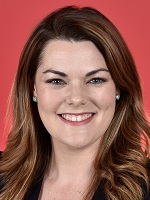 Sarah Hanson-Young
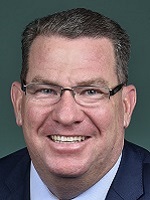 Scott Buchholz
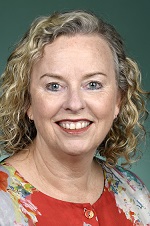 Sharon Claydon
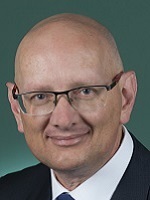 Shayne Neumann
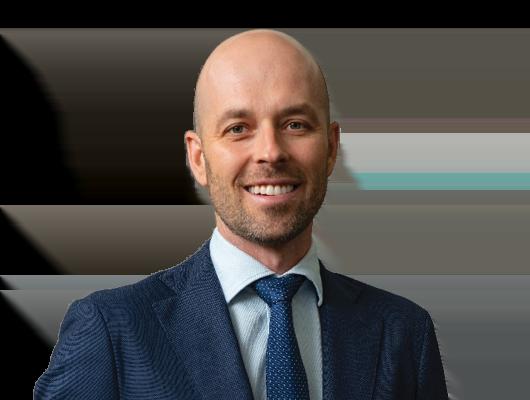 Simon Kennedy
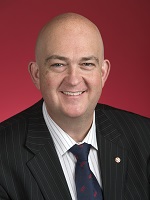 Slade Brockman
 Sophie Scamps
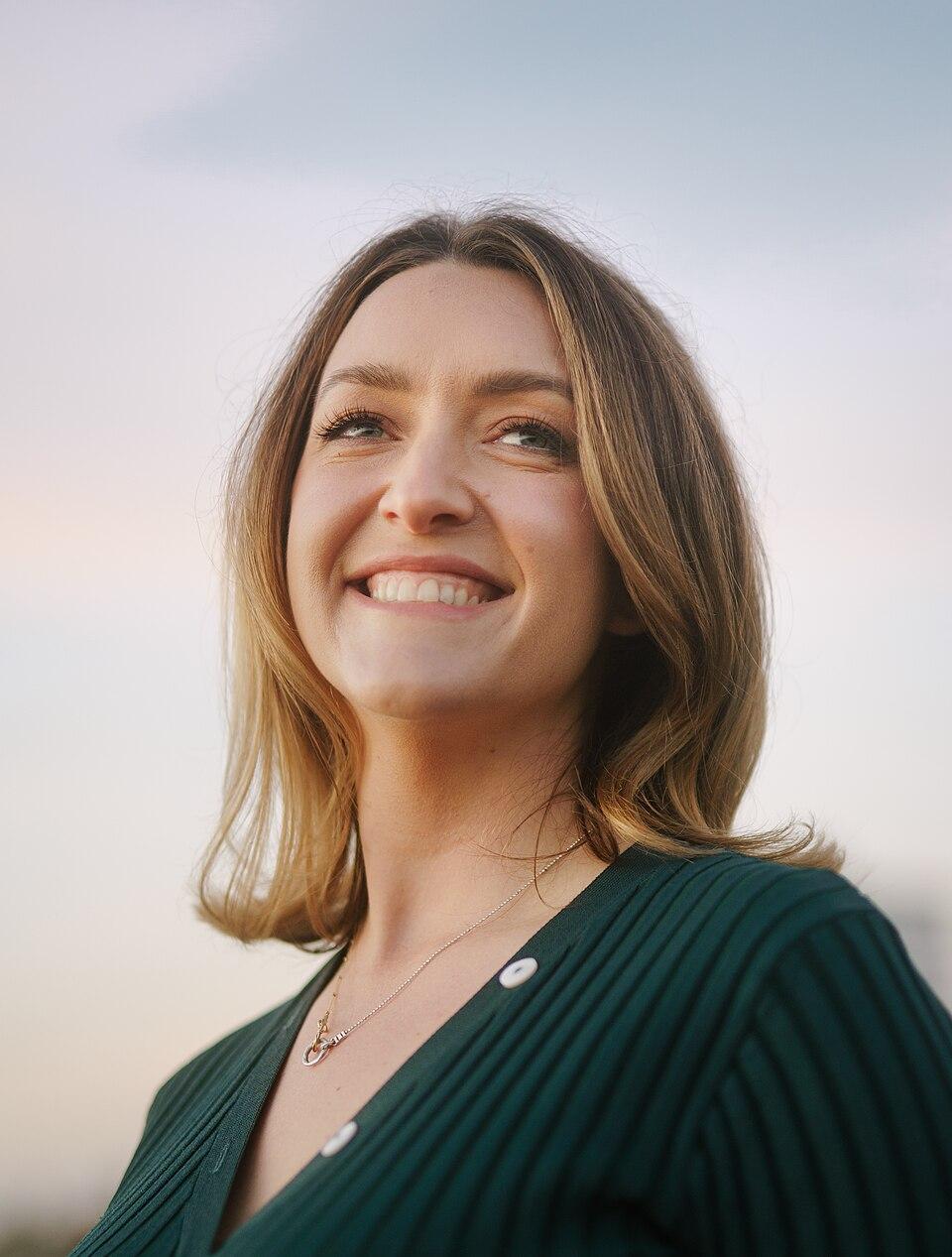 Steph Hodgins-May
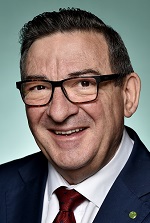 Steve Georganas
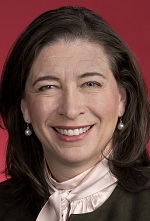 Susan McDonald
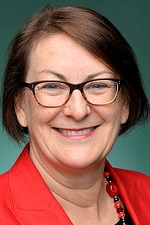 Susan Templeman
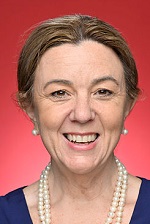 Tammy Tyrrell
 Tania Lawrence
 Tanya Plibersek
 Ted O'Brien
 Terry Young
 Tim Watts
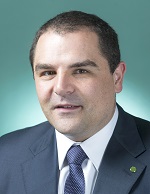 Tony Pasin
 Tony Sheldon
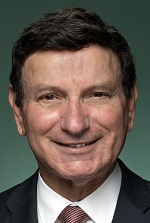 Tony Zappia
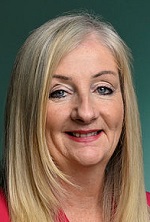 Tracey Roberts
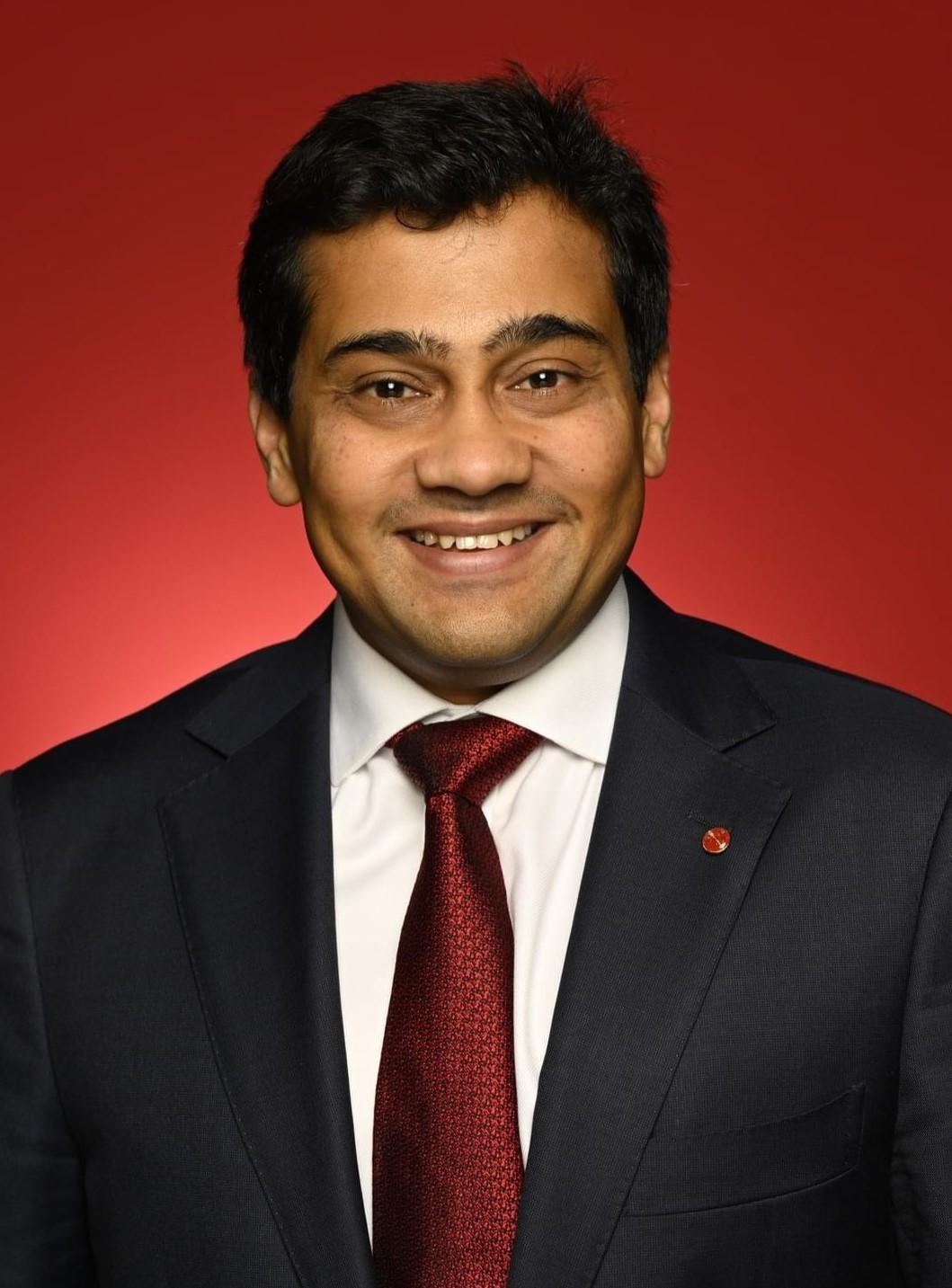 Varun Ghosh
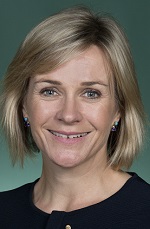 Zali Steggall
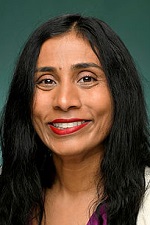 Zaneta Mascarenhas
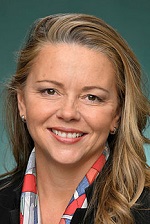 Zoe McKenzie
How Australia's public debt changed under every prime minister, measured the same way for all of them: as a share of the economy (GDP), and in dollars where GDP figures exist.
76 senators: 12 from each state and 2 from each territory. State senators serve six-year terms, with half elected at each federal election.
150 members, one for each electorate. The party or coalition that holds a majority of seats forms government.
Not sure which electorate you live in? Search your address or postcode with the Australian Electoral Commission.